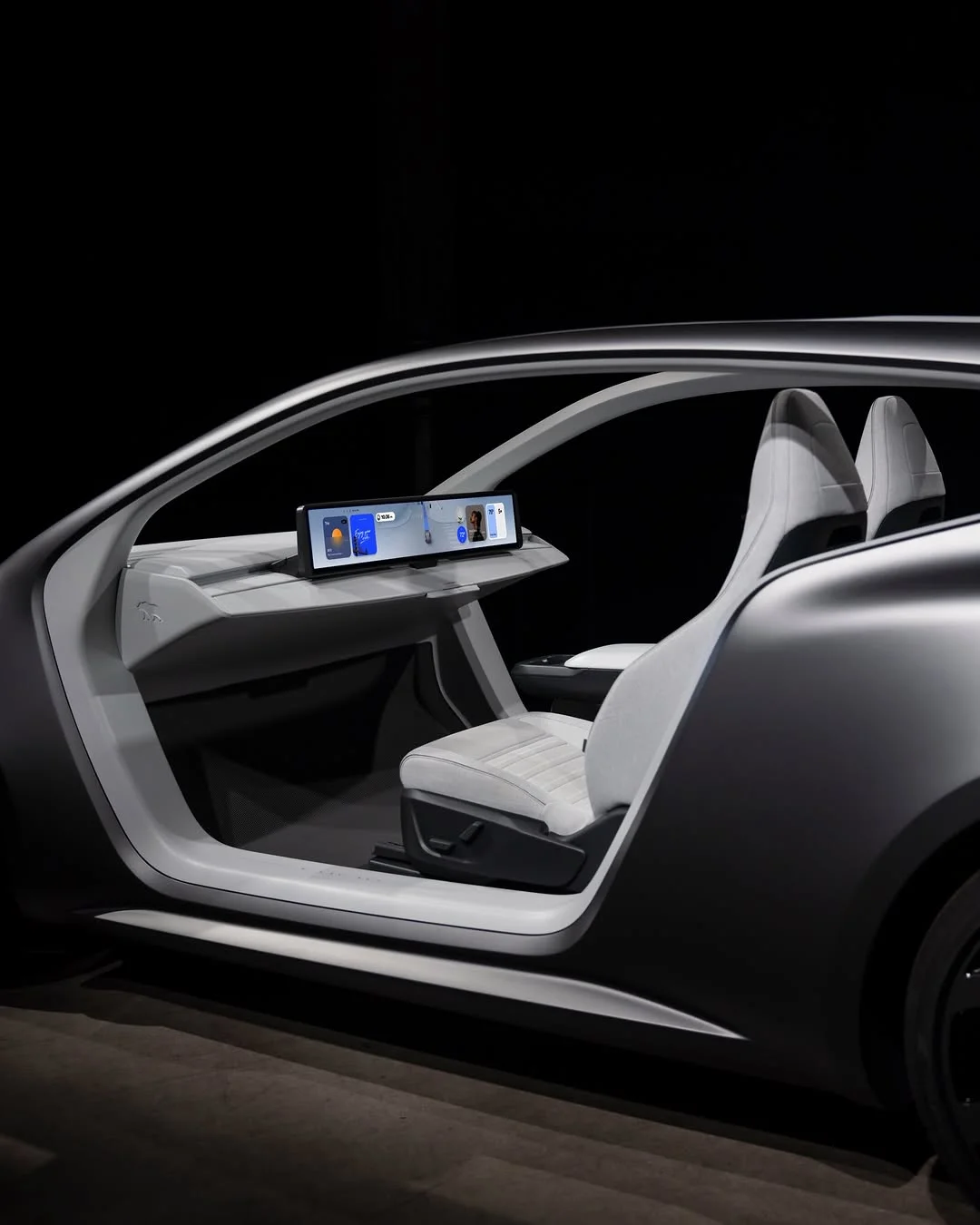
The future of mobility is something we think about every day.

Joe

Staff Member

Admin
Joined
Jul 19, 2017
Messages
583
Reaction score
977
Location
Texas
From Lucid Motors official Instagram:
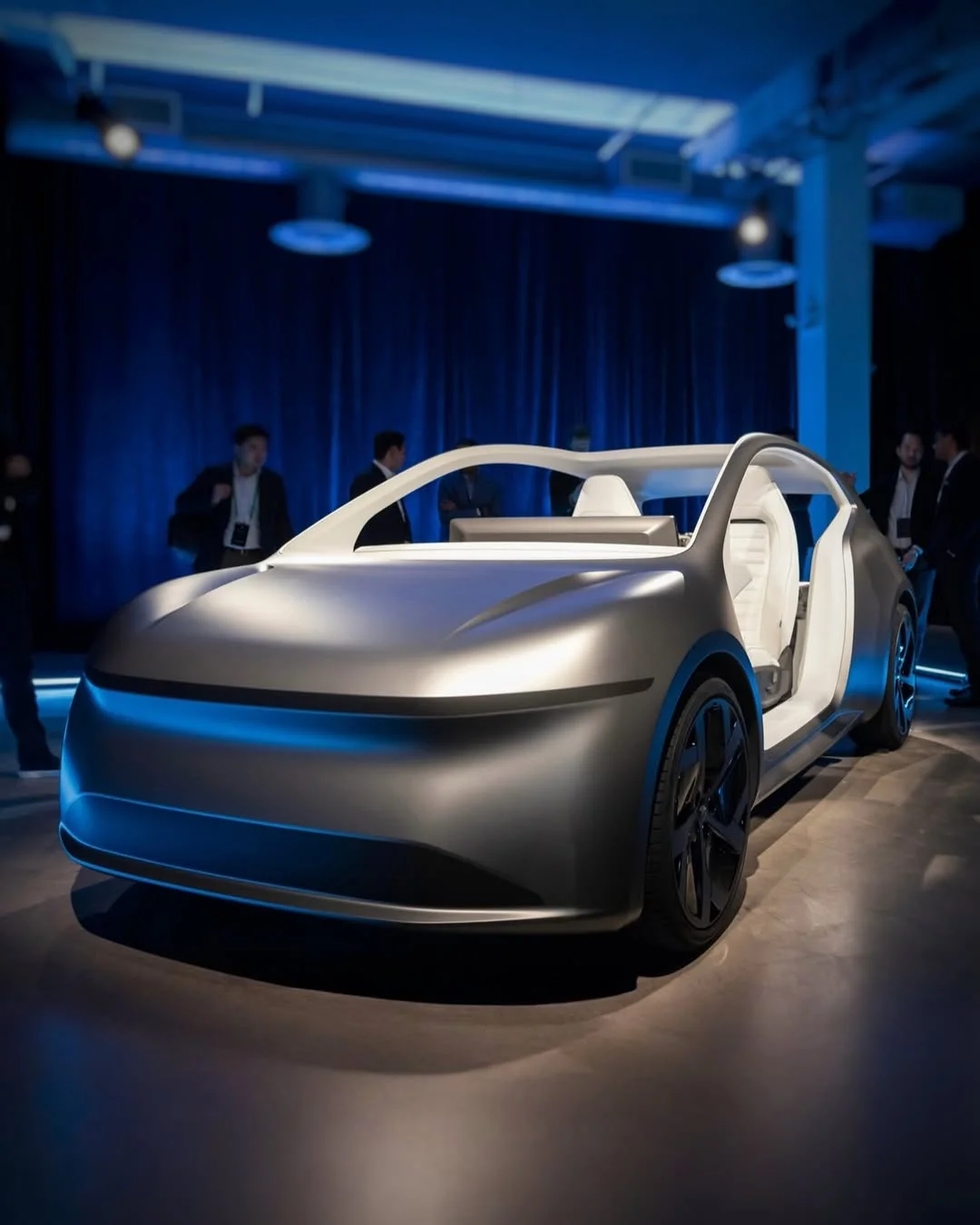
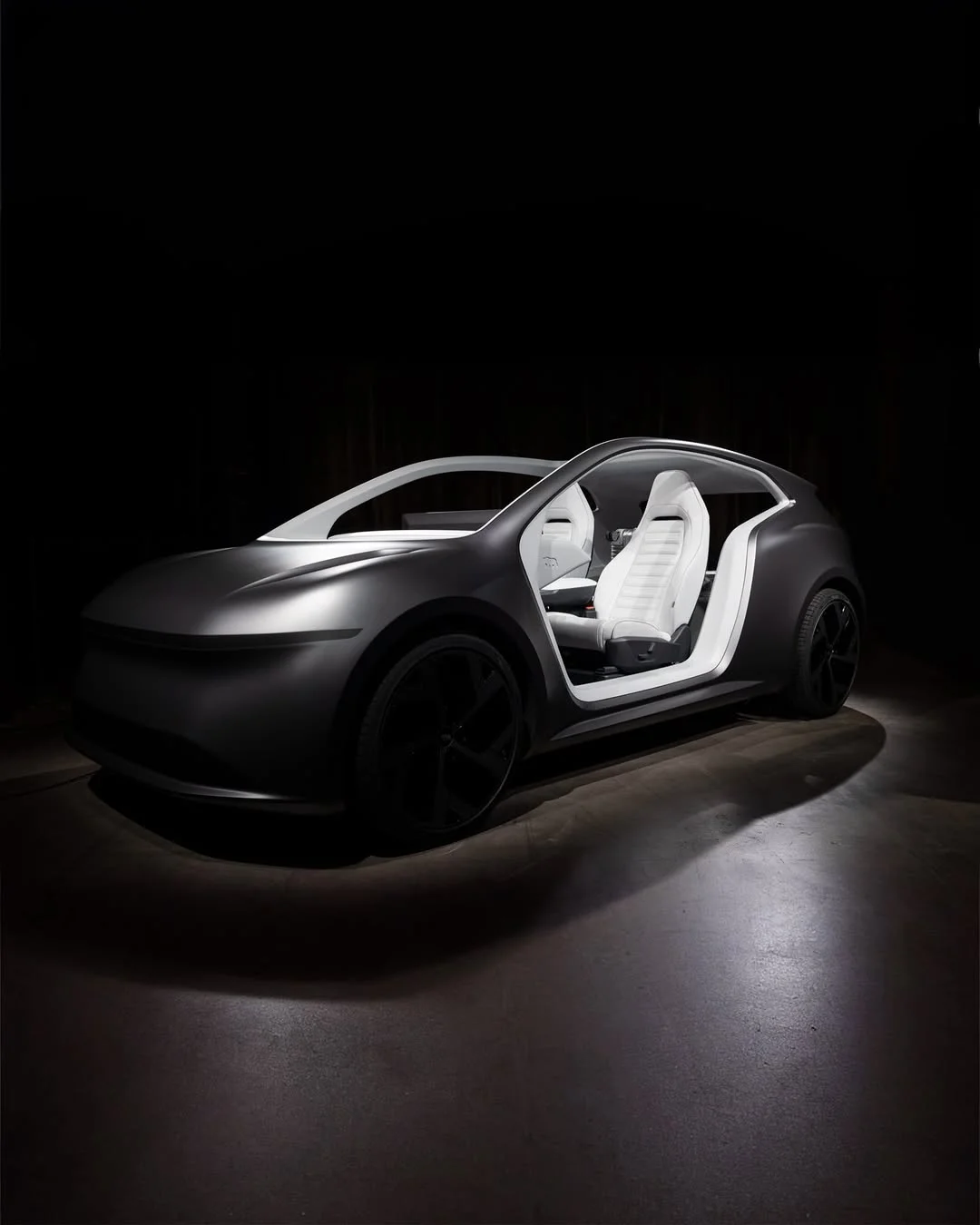
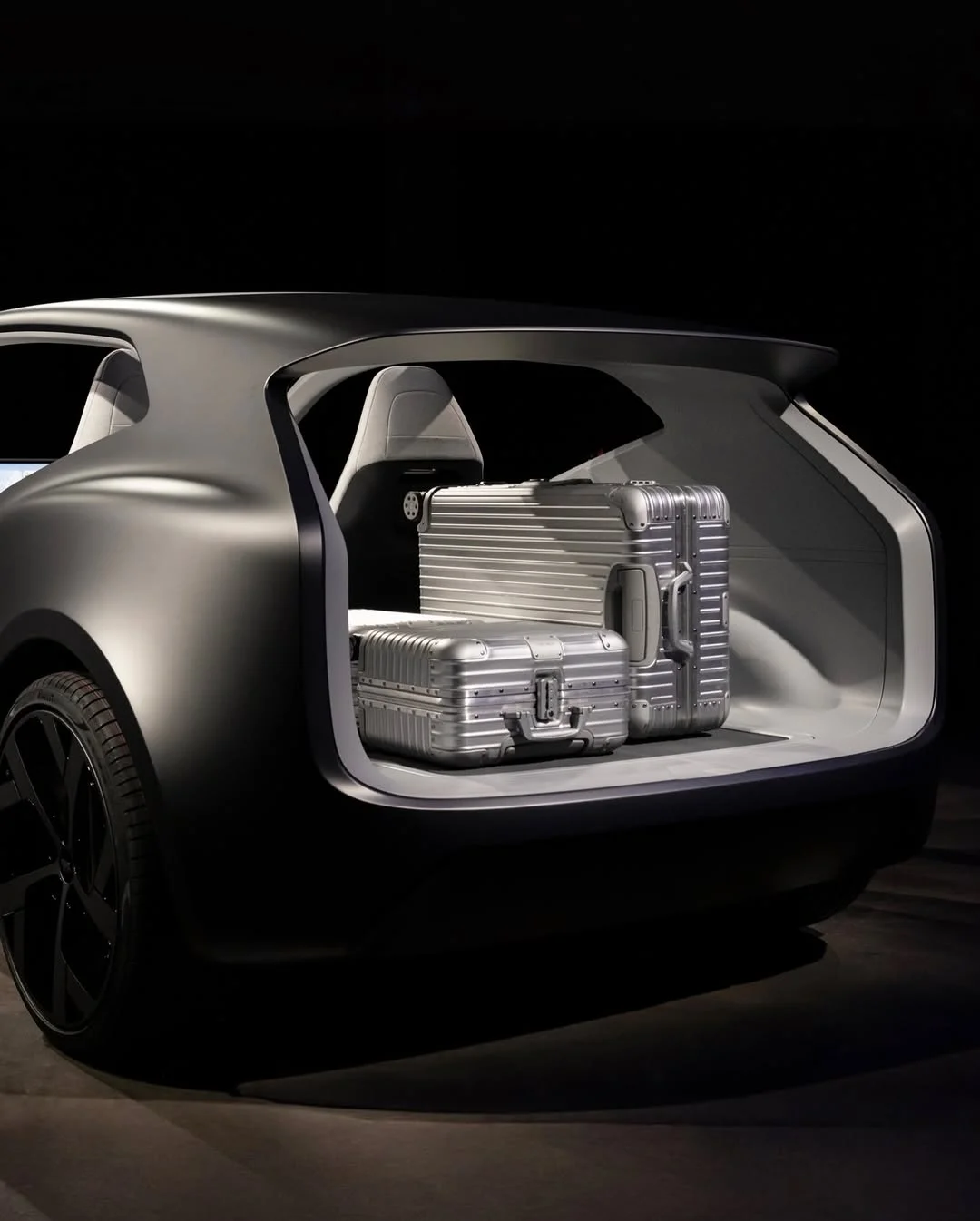
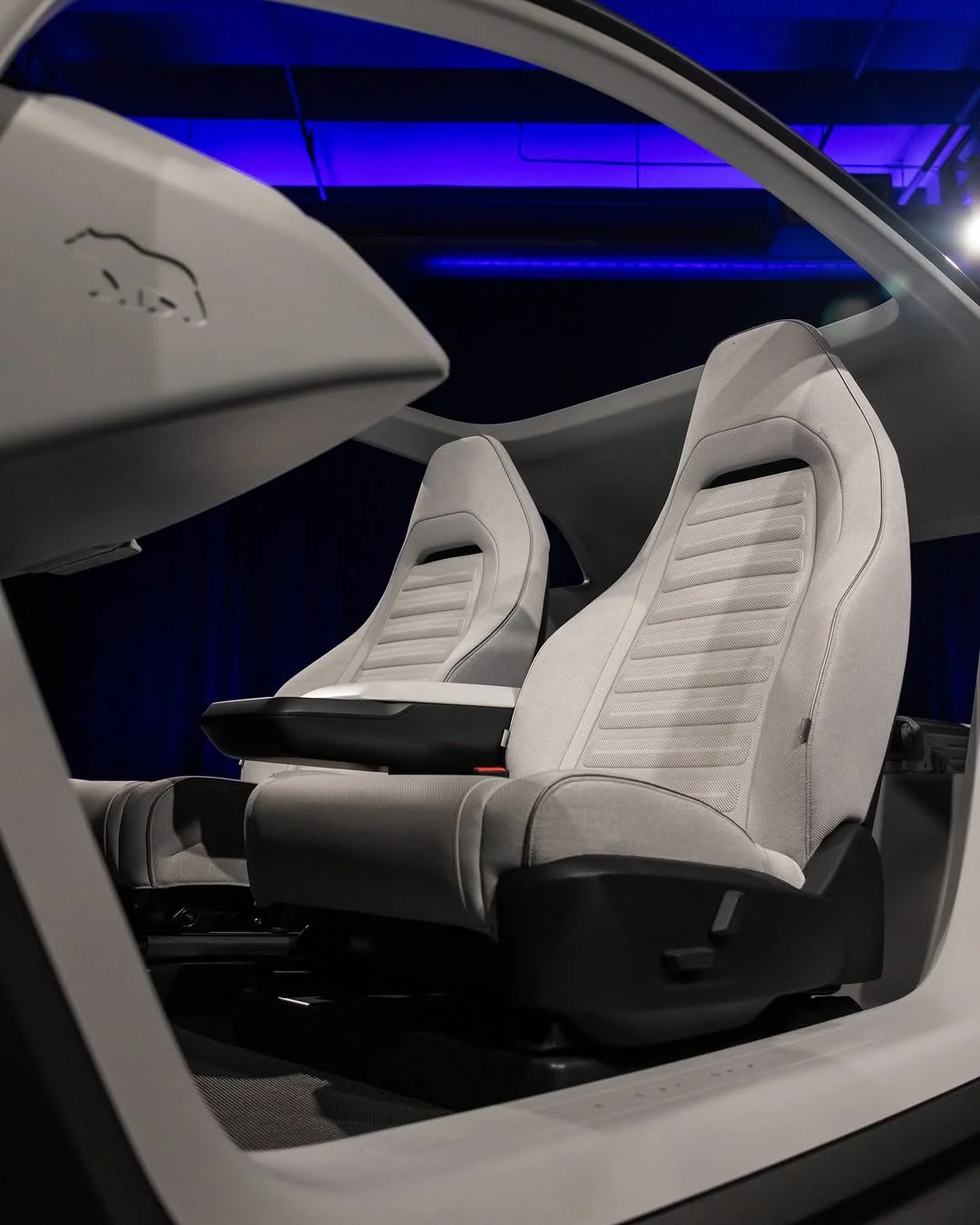
Our two-seat robotaxi concept is one way we are exploring that future, imagining what sustainable, comfortable, and accessible transportation could look like, powered by Lucid technology.
@lucidmotors

656227858_18573617314003697_4493509462753190067_n.webp
656489763_18573617443003697_5210134456303056227_n.webp
656785474_18573617434003697_1325720640010547002_n.webp
657346453_18573617356003697_4850605611854564175_n.webp
657816227_18573617413003697_6436798016913152876_n.webp
 
Tesla first promised L4 capabilities for the personally owned vehicle. Then they saw the robotaxi light (aka. $'s) and RT became the priority. There was a fundamental shift in what they were developing. RT software is not the same as my personally owned L4 system.

It's not appropriate for a RT to let the human pick the max speed but as my own vehicle where I am still pilot in command it is essential. Or how aggressive to be in lane changes, California stops (I know, NHTSA), follow distance, and simply "stay in this lane" when FSD insists in making a stupid move. FSD today considers any human input to be erroneous outside of pre-built profiles - probably appropriate for an RT but diasterous for me. I don't want a RT. While I love using AI, I'm still of the mindset that I want to tell my computers what to do - not vice versa.

Could Lucid succeed in both the RT concept and personal L4 ADAS end-to-end? It's certainly possible and I hope they deliver. Tesla is clearly not doing that. All I know is that these are 2 functially different software stacks with many similarities - no such thing as "one size fits all". Although (for what little I know) they could use the same E2E AI's but allow for human-input parameters (i.e. max speed, follow distance minimum, or even "park here") to the personal L4 system.

So today we hear Lucid saying both products are being developed. I'm curious how they split the resources between the two initiatives. Are they on the same footing? Will RT take almost all development resources as it appears has happened with Tesla?
 
Tesla first promised L4 capabilities for the personally owned vehicle. Then they saw the robotaxi light (aka. $'s) and RT became the priority. There was a fundamental shift in what they were developing. RT software is not the same as my personally owned L4 system.

It's not appropriate for a RT to let the human pick the max speed but as my own vehicle where I am still pilot in command it is essential. Or how aggressive to be in lane changes, California stops (I know, NHTSA), follow distance, and simply "stay in this lane" when FSD insists in making a stupid move. FSD today considers any human input to be erroneous outside of pre-built profiles - probably appropriate for an RT but diasterous for me. I don't want a RT. While I love using AI, I'm still of the mindset that I want to tell my computers what to do - not vice versa.

Could Lucid succeed in both the RT concept and personal L4 ADAS end-to-end? It's certainly possible and I hope they deliver. Tesla is clearly not doing that. All I know is that these are 2 functially different software stacks with many similarities - no such thing as "one size fits all". Although (for what little I know) they could use the same E2E AI's but allow for human-input parameters (i.e. max speed, follow distance minimum, or even "park here") to the personal L4 system.

So today we hear Lucid saying both products are being developed. I'm curious how they split the resources between the two initiatives. Are they on the same footing? Will RT take almost all development resources as it appears has happened with Tesla?
Their approaches are fundamentally different. Lucid is a car company, first and foremost. That is easily evidenced by the fact that they’ve built an incredible car.

Tesla is and always was a software company first and foremost. They didn’t even build their first car, Lotus did. And Tesla’s cars have never been “great cars”; they’ve been shells with generally great software.

I’m not ragging on Tesla; they’re just fundamentally different. As a result of never having focused on building “great cars,” that has never been the thing they attached their company to, and their software (including ADAS, aside from the mobileye venture) is in-house.

Lucid is continuing to build great cars first and foremost, and is partnering with the likes of nvidia and uber to improve the ADAS. A lucid robotaxi, if it ever comes to fruition (remember, concepts are just that), will almost certainly be enabled by third party agreements rather than first party software.

So from that perspective, yes, I think they could do both. Because they’re fundamentally different.

But not for a while. And they get to learn from all of Tesla’s (and Waymo’s, but mostly Tesla’s) mistakes along the way.
 
Back
Top