Cybercab is DANGEROUS…..going through red lights, sudden braking
You are using an out of date browser. It may not display this or other websites correctly.
You should upgrade or use an alternative browser.
You should upgrade or use an alternative browser.
You need LIDAR
- Thread starter gaskiller
- Start date

Typical Musk beta testing on the public.
Other companies do it too, but Tesla's the biggest offender.
Other companies do it too, but Tesla's the biggest offender.

- Joined
- Jan 1, 2025
- Messages
- 597
- Reaction score
- 712
- Location
- Philadelphia
- Cars
- '25 Lucid Air Touring
- Referral Code
- U8QZ9T7X
Tough to take any article that starts with "Jeremy Clarkson says..." seriously.
yes, but the lights on a traffic light are in a known order (red is top then yellow and green is on the bottom). So as long as the position of the light is known the software should be able to figure out if the light is red or not. I'm assuming that FSD for model 3/y/x/s is able to handle red light detection so why would this be a problem with Cybercabs?Lidar does not see color, so it would not improve red light behavior.

- Joined
- Aug 23, 2020
- Messages
- 4,363
- Reaction score
- 5,881
- Location
- Paradise Valley, AZ
- Cars
- Air GT, Gravity GT
- Referral Code
- K9WIJHB0
LiDAR does not see the light either, it is the wrong frequency. The only thing LiDAR sees is pixels showing the reflection and distance of the traffic light. Traffic light interpretations is best done by optical cameras.yes, but the lights on a traffic light are in a known order (red is top then yellow and green is on the bottom). So as long as the position of the light is known the software should be able to figure out if the light is red or not. I'm assuming that FSD for model 3/y/x/s is able to handle red light detection so why would this be a problem with Cybercabs?
- Joined
- Apr 15, 2025
- Messages
- 970
- Reaction score
- 1,729
- Cars
- GGT, Merc E450 Conv
Yes, but light recognition is not an area where LIDAR might have an advantage over camera.yes, but the lights on a traffic light are in a known order (red is top then yellow and green is on the bottom). So as long as the position of the light is known the software should be able to figure out if the light is red or not. I'm assuming that FSD for model 3/y/x/s is able to handle red light detection so why would this be a problem with Cybercabs?
All these proclamations that the LIDAR will make the Lucid ADAS a better/safer system vs FSD are all speculation. The only high mileage tested LIDAR based ADAS in US is Waymo which uses a much more robust/expensive LIDAR vs what is on Lucid. Many of us Lucid owners paid a handsome amount for DDP2 with LIDAR on the Gravity in the hopes that it will give us the promised safer FSD alternative, but we will not know for at least another year (or probably longer as improvements are gradually rolled out.)
As for LIDAR on existing Airs with DDP, those cars are not any better and most would say significantly worse than current hardware 4 Teslas that only have cameras. Current spec Airs with Lidar will never get to the level of current Teslas. Sensors appear to not be as important as processing power and software.
This right here is really where it is at. Software was always going to come into play. The LIDR/RADAR/Camera/... is never going to be able to make the decision, software behind the sensor is going to be making any decisions and currently Tesla is well ahead of anyone else in that field (for consumer cars). As to wether Tesla is "doing the right thing" with regards to safety that's a different conversation.Sensors appear to not be as important as processing power and software.
- Joined
- Apr 15, 2025
- Messages
- 970
- Reaction score
- 1,729
- Cars
- GGT, Merc E450 Conv
First, I am not a big Elon fan but do recognize his contributions to pushing ADAS tech forward. A lot of people push back that he abandoned radar and LiDAR just due to cost but it is my understanding that there was a big issue with Sensor Fusion. Tesla did not have the mobile computing power to evaluate all of the different information from different sensors (camera, radar, Lidar) “Sensor Fusion” and so they simplified the system to only have to evaluate camera data. Yes Waymo uses LiDAR, radar, cameras but their sensor platform is huge and expensive and the onboard computers are huge compared to what are in our cars. But now with the vast improvements in processors as well as AI, Sensor Fusion is becoming more attainable (hopefully) down at our levels.
My educated guess is that cars with properly designed LiDAR, radar, cameras, sensor suites will eventually bypass FSD. This will take time as these new systems are fine tuned. But as we have learned with Lucid’s teething pains, software is just as important (and sometimes more important) then hardware.
My educated guess is that cars with properly designed LiDAR, radar, cameras, sensor suites will eventually bypass FSD. This will take time as these new systems are fine tuned. But as we have learned with Lucid’s teething pains, software is just as important (and sometimes more important) then hardware.
Typical Musk beta testing on the public.
Other companies do it too, but Tesla's the biggest offender.
That article is bullshit.
It's not possible. Yes, tesla could run a red light in a 1 in 50K miles event, but having phantom braking in the same drive would just never happen. Both of those events are extremely rare.
There is no evidence of robotaxi running a red light and FSD v14 doesn't do it anymore
Last edited:
CorrectFirst, I am not a big Elon fan but do recognize his contributions to pushing ADAS tech forward. A lot of people push back that he abandoned radar and LiDAR just due to cost but it is my understanding that there was a big issue with Sensor Fusion. Tesla did not have the mobile computing power to evaluate all of the different information from different sensors (camera, radar, Lidar) “Sensor Fusion” and so they simplified the system to only have to evaluate camera data. Yes Waymo uses LiDAR, radar, cameras but their sensor platform is huge and expensive and the onboard computers are huge compared to what are in our cars.
False. It is still not attainable at least now with nvidia thorBut now with the vast improvements in processors as well as AI, Sensor Fusion is becoming more attainable (hopefully) down at our levels.
This would mean that you would have to surpass FSD v14 level (which seems impossible by even the chinese who have worked on this for more than 5 years). Which means if it is a data issue and not a sensors issue, you will never get there. You would have to achieve FSD v14 reaction times at a minimum (which the Chinese can't do) before these other sensors add any kind of safety.My educated guess is that cars with properly designed LiDAR, radar, cameras, sensor suites will eventually bypass FSD. This will take time as these new systems are fine tuned. But as we have learned with Lucid’s teething pains, software is just as important (and sometimes more important) then hardware.
The other issue is lidar has the same failure mode of a camera. If a tarp falls off the back of a truck and covers your car up, you're done for either way.
Are there really any failure modes that a camera would fail (all cameras blinded at once) that lidar would help? I think not.
Maybe because it's not a problem? FSD does not run red lights and it certainly does not run red lights in a known, geofenced area.yes, but the lights on a traffic light are in a known order (red is top then yellow and green is on the bottom). So as long as the position of the light is known the software should be able to figure out if the light is red or not. I'm assuming that FSD for model 3/y/x/s is able to handle red light detection so why would this be a problem with Cybercabs?
maybe it's because the article is total bullshit?

- Joined
- Nov 19, 2021
- Messages
- 16,251
- Reaction score
- 22,407
- Location
- Cupertino, CA
- Cars
- Air DE-P, Gravity DE
- Air DE Number
- 241
- Gravity DE Number
- 013
- Referral Code
- Q1BTN5Y3
Please do not assume others are lying in the absence of evidence otherwise.That article is bullshit.
It's not possible. Yes, tesla could run a red light in a 1 in 50K miles event, but having phantom braking in the same drive would just never happen. Both of those events are extremely rare.
There is no evidence of robotaxi running a red light and FSD v14 doesn't do it anymore
Do you remember Tesla and Elon have long had beef with top gear. This was when they made a scripted episode where they had to pretend that the Tesla broke down for entertainment purposesPlease do not assume others are lying in the absence of evidence otherwise.
The evidence is clear as day. FSD being used for billions of miles and it simply does not run red lights
Notable phantom braking is like a 1 in 10K mile event at least. Meaning genuine hard braking for something that's not needed. Running a red light has to be a 1 in 100K mile even at least. In a geofenced area I'd think it happens less than that.
That puts the odds of those two things happening at like 1 in 40 million
That puts the odds of those two things happening at like 1 in 40 million

- Joined
- Jan 4, 2022
- Messages
- 5,715
- Reaction score
- 11,034
- Location
- Santa Clarita, CA
- Cars
- 2026 Gravity Dream
- Gravity DE Number
- 68
- Referral Code
- AWNJLGKT
You can doubt Clarkson. It's one man's column, no video. But "total bullshit" is a claim too, and you've got zero evidence for it.Maybe because it's not a problem? FSD does not run red lights and it certainly does not run red lights in a known, geofenced area.
maybe it's because the article is total bullshit?
What you can't do is make the blanket statement that "FSD does not run red lights." NHTSA's PE25012 spans roughly 2.88 million Teslas and exists because FSD was blowing reds and driving the wrong way. The opening tally was 58 incidents, 14 crashes, 23 injuries, growing to about 80 reports by December. In some cases the car stopped fully at the red, then drove through anyway.
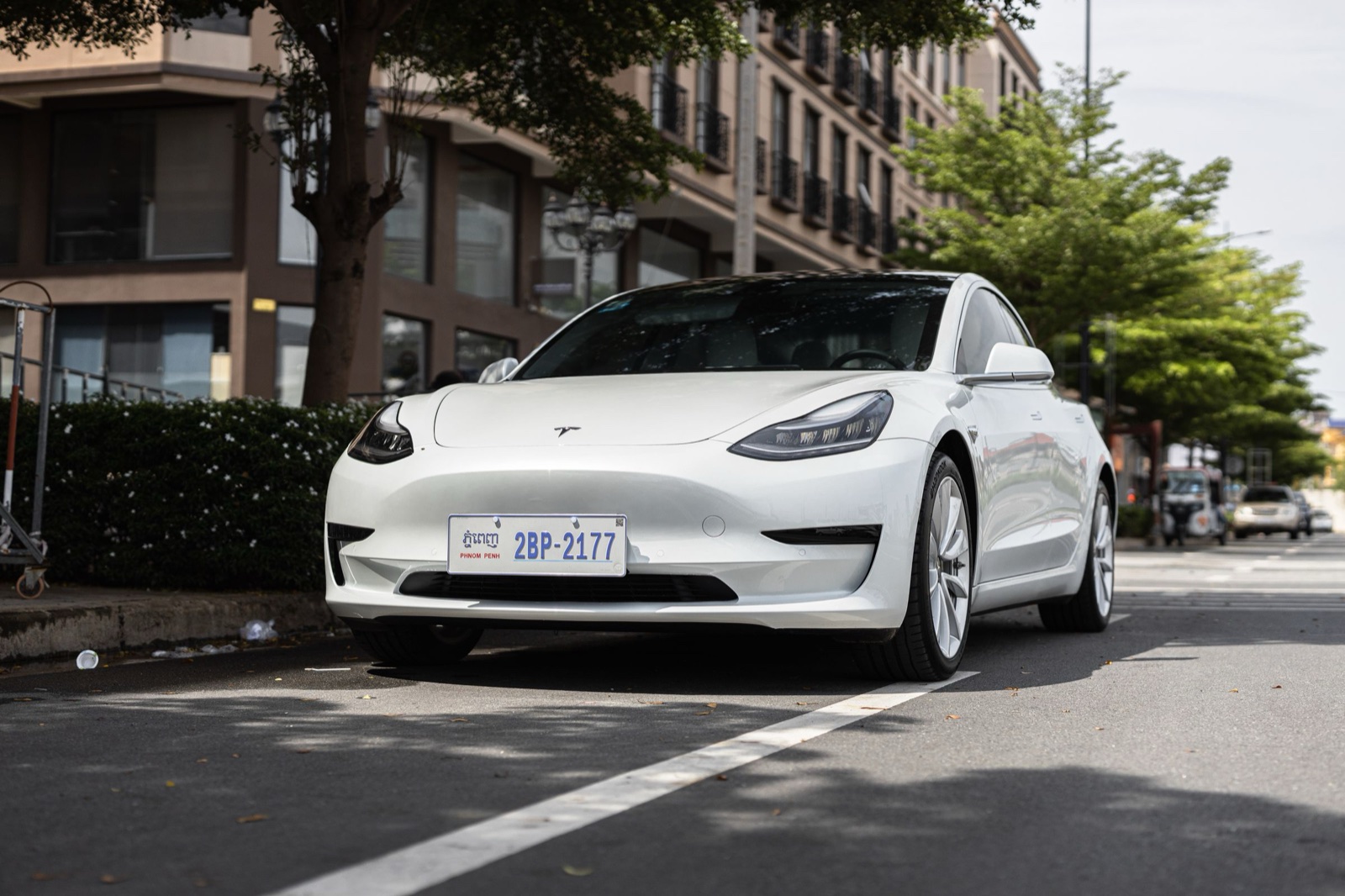
NHTSA Tesla FSD Investigation: 2.88 Million Cars, Red Lights
A viral dashcam crash put Tesla FSD back in the spotlight, but the real story is a NHTSA probe of 2.88 million Teslas for running red lights and driving wrong-way.
 theweeklydriver.com
Yes, that's supervised FSD, not the Cybercab. It's also the same software family you just said doesn't do this though. So a first-hand account of a Tesla running reds is "bullshit," but every shaky Waymo clip you find and post in here is gospel?
Apply the same standard to both, or admit it's fandom, not analysis.
- Joined
- Nov 19, 2021
- Messages
- 16,251
- Reaction score
- 22,407
- Location
- Cupertino, CA
- Cars
- Air DE-P, Gravity DE
- Air DE Number
- 241
- Gravity DE Number
- 013
- Referral Code
- Q1BTN5Y3
Citation needed.Do you remember Tesla and Elon have long had beef with top gear. This was when they made a scripted episode where they had to pretend that the Tesla broke down for entertainment purposes
You have presented no evidence.The evidence is clear as day.
That is, to put it very simply: incorrect.FSD being used for billions of miles and it simply does not run red lights
Exactly! The tortoise wins the race and is safer. He is also speeding up cybercab production so he can beta test faster before the Dems in Texas come down on him for putting safety at risk.First, I am not a big Elon fan but do recognize his contributions to pushing ADAS tech forward. A lot of people push back that he abandoned radar and LiDAR just due to cost but it is my understanding that there was a big issue with Sensor Fusion. Tesla did not have the mobile computing power to evaluate all of the different information from different sensors (camera, radar, Lidar) “Sensor Fusion” and so they simplified the system to only have to evaluate camera data. Yes Waymo uses LiDAR, radar, cameras but their sensor platform is huge and expensive and the onboard computers are huge compared to what are in our cars. But now with the vast improvements in processors as well as AI, Sensor Fusion is becoming more attainable (hopefully) down at our levels.
My educated guess is that cars with properly designed LiDAR, radar, cameras, sensor suites will eventually bypass FSD. This will take time as these new systems are fine tuned. But as we have learned with Lucid’s teething pains, software is just as important (and sometimes more important) then hardware.
Yes, that's supervised FSD, not the Cybercab. It's also the same software family you just said doesn't do this though. So a first-hand account of a Tesla running reds is "bullshit," but every shaky Waymo clip you find and post in here is gospel?
That was FSD v13. They fixed this by robotaxi builds and subsequently v14. The car would stop at a red light and go after it had stopped for some time. Not only that, but no build of FSD ever blew through redlight at high speed. In rare cases with v13 the car would estimate how long it has to beat a yellow light (based on traffic speed) and sometimes it would run a yellow light that would be set to less than 1sec per every 10-15mph of speed limit. There was a video of a car running through a red because the yellow light was set to 2 sec on a 45mph road. That's really too short.
now robotaxi hard brakes for yellow and puts the hazards on, so there's no chance it runs a red light.
you could also have some rare confusing light placement that FSD does not understand, but that would never happen in a known geofenced area.
Citation needed.
Back when the tesla roadster came out in 2008, Top gear made an episode where the car "broke down" and tesla sued them over lost sales. Top gear claimed the car broke down, needed to be pushed into the garage,ran out of rtange, took 16 hours to recharge, and had a range of 55miles.
The evidence is the lack of FSD running red lights with v14. It just doesn't happen. Robotaxi hard brakes for yellow, but at no point did FSD ever blow through a red light.That is, to put it very simply: incorrect.
Last edited:
- Joined
- Nov 19, 2021
- Messages
- 16,251
- Reaction score
- 22,407
- Location
- Cupertino, CA
- Cars
- Air DE-P, Gravity DE
- Air DE Number
- 241
- Gravity DE Number
- 013
- Referral Code
- Q1BTN5Y3
From the very article you posted:That was FSD v13. They fixed this by robotaxi builds and subsequently v14. The car would stop at a red light and go after it had stopped for some time. Not only that, but no build of FSD ever blew through redlight at high speed. In rare cases with v13 the car would estimate how long it has to beat a yellow light (based on traffic speed) and sometimes it would run a yellow light that would be set to less than 1sec per every 10-15mph of speed limit.
now robotaxi hard brakes for yellow and puts the hazards on, so there's no chance it runs a red light.
you could also have some rare confusing light placement that FSD does not understand, but that would never happen in a known geofenced area.
Back when the tesla roadster came out in 2008, Top gear made an episode where the car "broke down" and tesla sued them over lost sales. Top gear claimed the car broke down, needed to be pushed into the garage, took 16 hours to recharge, and had a range of 55miles.
Doesn’t sound like controversy; sounds like Elon didn’t like the results. Which is fine, but not the evidence you were hoping for.The BBC later responded by saying that they "stood by the findings of the film" and "were content that it offered a fair representation of the Tesla's performance on the day". Later, the CEO of Tesla, Elon Musk, reignited the controversy again by claiming that the Tesla team, while delivering the cars to the test track, noticed a script for the segment on a bench that already had the Tesla's malfunction written. Top Gear, the BBC, and Clarkson denied this.
Andy Wilman posted a new statement on the now defunct Top Gear Blog stating "We never said that the Tesla's true range is only 55 miles, as opposed to their own claim of 211, or that it had actually ran out of charge. In the film, our actual words were: "We calculated that on our track it would run out after 55 miles". The first point here is that the track is where we do our tests of sports cars and supercars, as has happened ever since Top Gear existed. This is where cars are driven fast and hard, and since Tesla calls its roadster 'The Supercar. Redefined.' It seemed pretty logical to us that the right test was a track test. The second point is that the figure of 55 miles came not from our heads, but from Tesla's boffins in California. They looked at the data from that car and calculated that, driven hard on our track, it would have a range of 55 miles."